Should IBC Tanks Be Insulated?
Get ahead of the colder weather and learn how to keep IBC totes from freezing in our helpful guide.
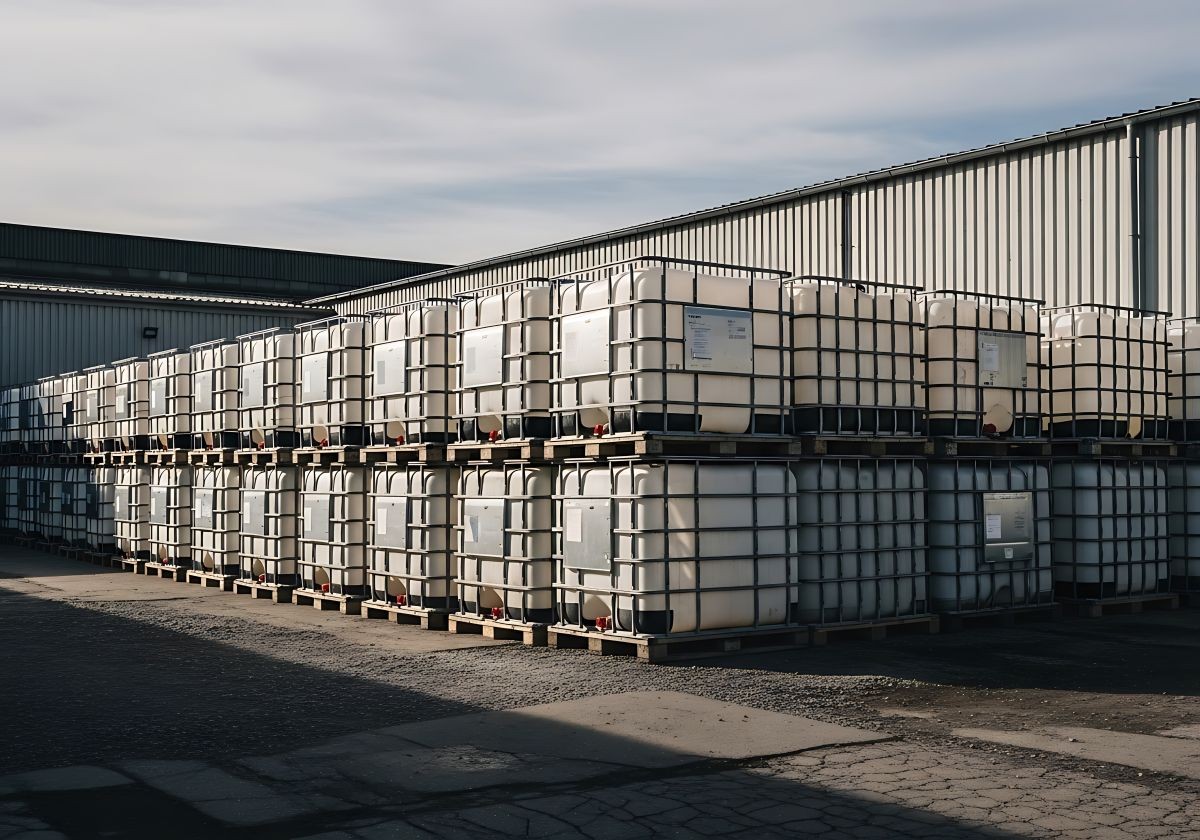
Intermediate bulk containers (IBCs) are used by many organisations to store liquids and keep them protected, both during transit and storage. Despite being a reliable and cost-effective solution, IBC tanks do have their vulnerabilities, one of which is low temperatures. This raises the question of if they need to be insulated, and if so, how?
The main answer to that question comes down to where you will be keeping your IBC. If you are planning to keep yours outdoors or not actively heated over the colder winter months, insulation is recommended. But if you are storing contents that must stay above a set temperature, a heating jacket would be better.
However, that is only part of the question, as you might also be wondering how best insulate or heat your IBC. So, we have put together a useful guide on everything you need to know about keeping the contents of your IBC at the right temperature, whatever that might be.
What is an IBC?
An intermediate bulk container, also known as an IBC, is a type of large container used across a range of industries for the transportation and storage of liquids, ingredients and materials. IBCs are designed to facilitate the handling and transportation of these materials more efficiently compared to other containers.
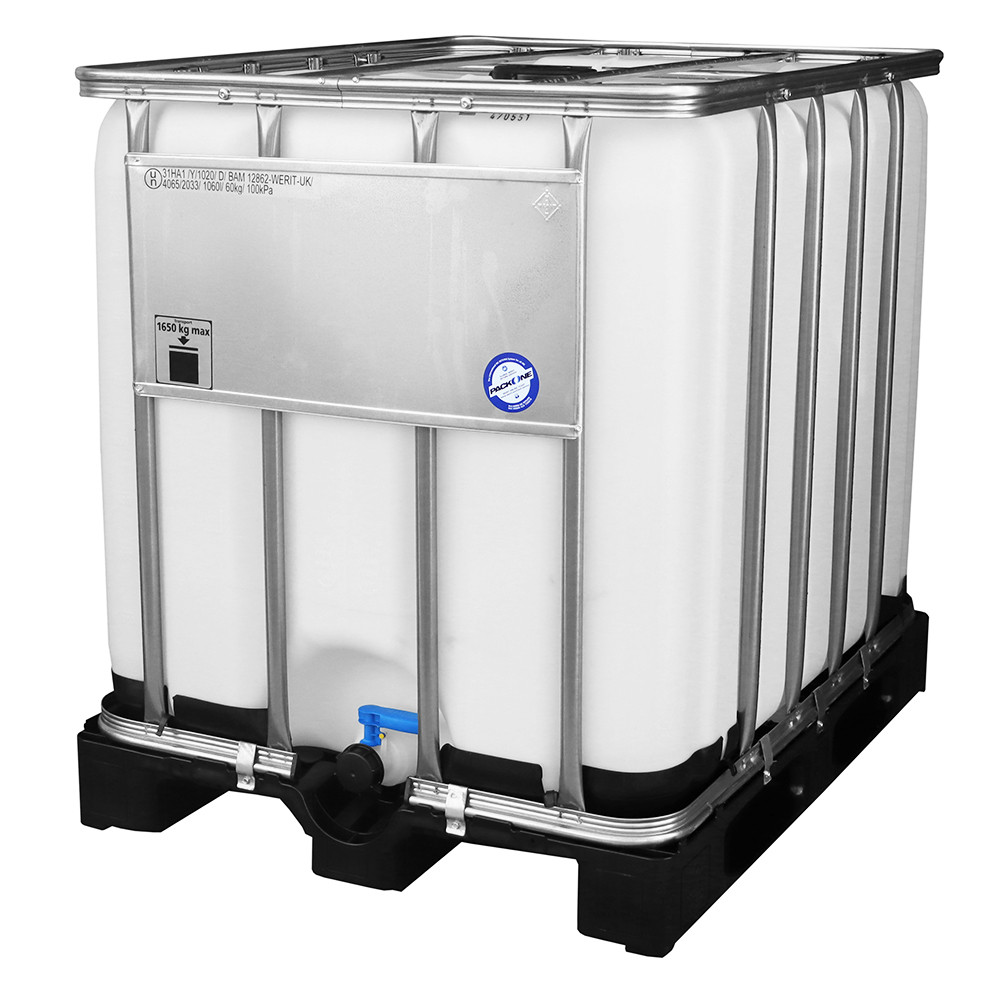
- Read more here about what an IBC tank is
Do IBC tanks freeze?
IBCs are used by many different organisations across a range of industries. For this reason, it means that they have many different applications and are often exposed to low temperatures, whether that is during transit or storage.
Whether an IBC tank will freeze depends on what’s inside and how long it has been exposed to low temperatures. If an IBC tank is exposed to low temperatures for a prolonged period, there’s a higher chance that it may freeze. This extended exposure not only risks negatively impacting the integrity of the stored materials, but it can also lead to the IBC tote cracking and getting damaged.
It’s important to remember that it isn’t just water at risk, and different liquids will require different needs when it comes to insulation (for example, AdBlue will freeze at around -11 °C).
Rather than just being kept above freezing, some chemicals require being kept above a specific temperature. This is where the problem widens to more than just freezing, because oils, fats and glues will thicken beyond use long before they freeze.
Why should you insulate an IBC?
-
Prevent IBC tanks from freezing and cracking
-
Preserve the integrity of the contents
-
Enhance operational reliability
-
Contribute to cost savings
Which IBC insulation or heater fits your tote?
Choosing the right insulation for your IBC container mainly comes down to three questions regarding points raised above: how big the IBC is, where it’s stored, and whether the contents need protecting from the cold or keeping at a set temperature.
Start with the size of your IBC
Most IBC jackets and covers are made to fit the standard 1000L variant, so you’ll need to double check the container’s dimensions before ordering. If you’re using a smaller IBC, such as a 600 or 300L, some of the best options for your size are the Thermal IBC Jacket Cover, which comes in sizes ranging from 300 to 1000L, or the 300L IBC Container Heater Jacket.
Will your IBC be indoors or outdoors?
If your IBC is going to live indoors or mostly under cover, a lightweight insulated jacket is usually enough to slow heat loss enough to protect against frost. For this option, we would recommend our Insulated IBC Jacket, which is designed for containers kept in a warehouse or covered transport.
But insulation like this only works if it stays dry, so if your IBC is living outdoors, and you aren’t in a position to drain the water inside (which would be our recommendation) you’ll need a cover with a waterproof outer.
For this, our pick would be the Weatherproof & Insulated IBC Jacket, which has a PVC outer for indoor and outdoor use. For extra weather resistance, the Deluxe Insulation IBC Cover helps to protect the frame from rust.
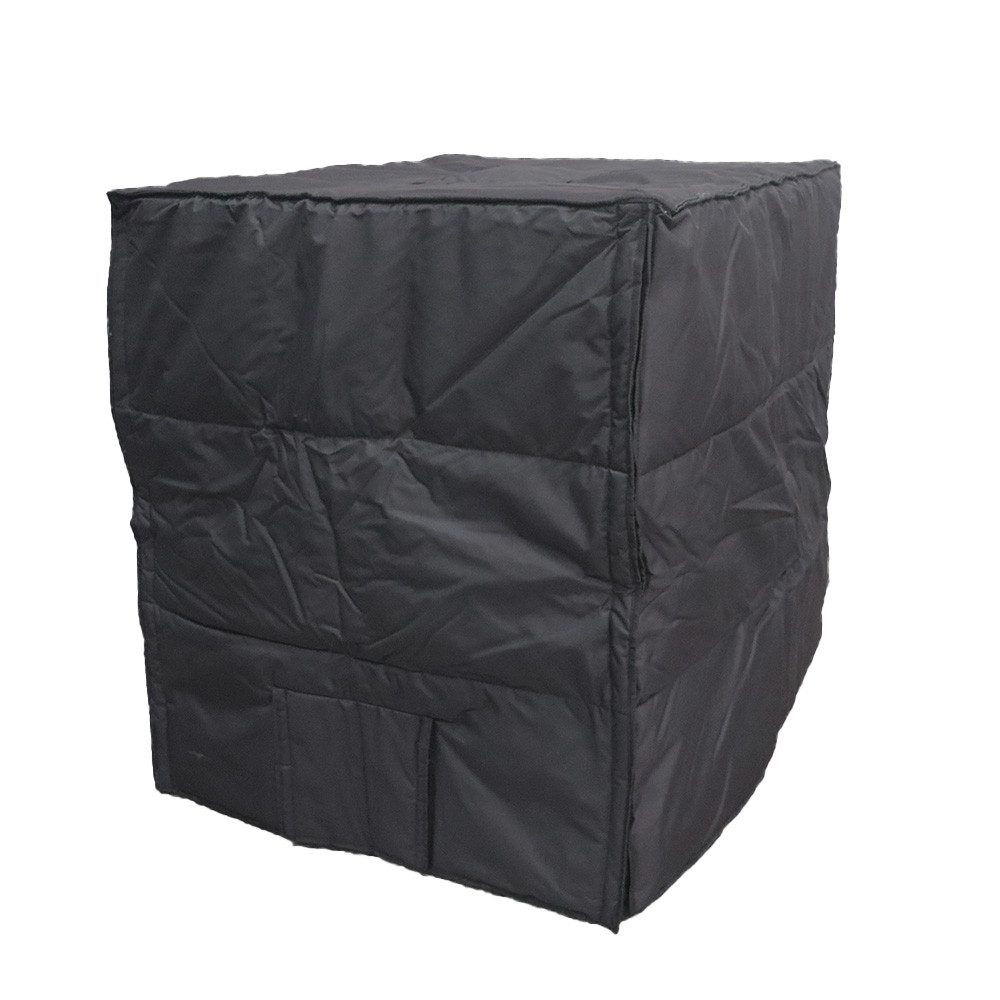
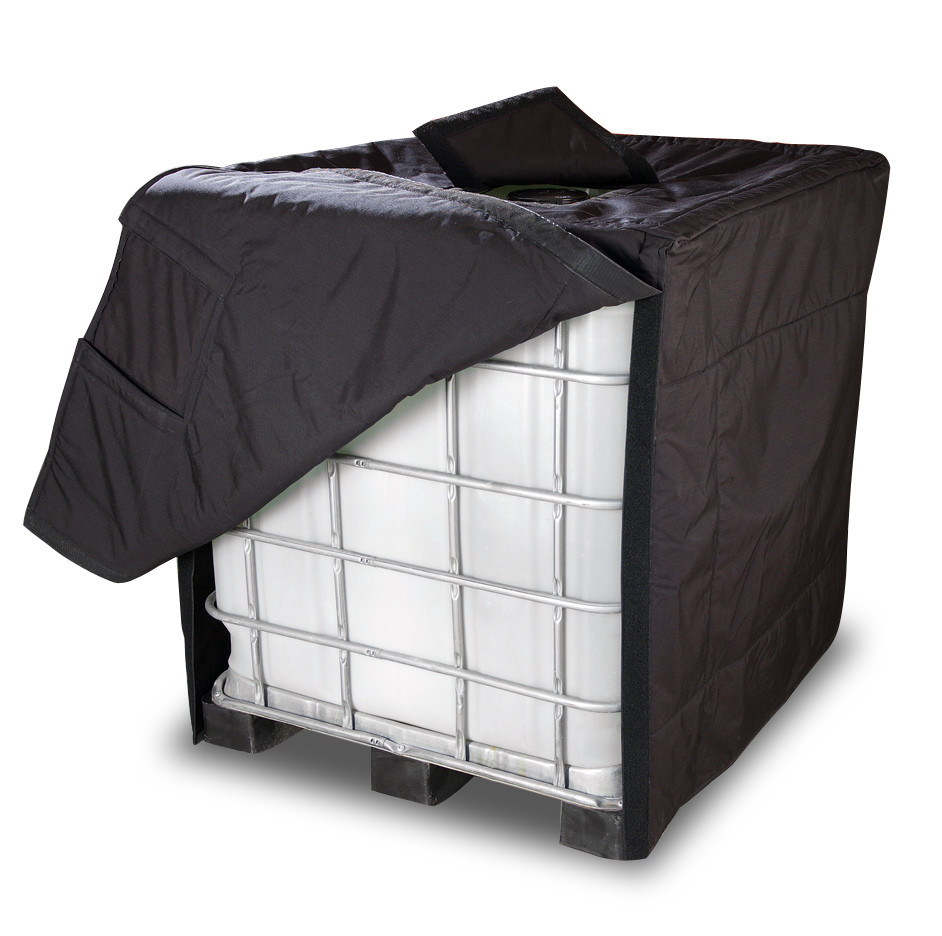
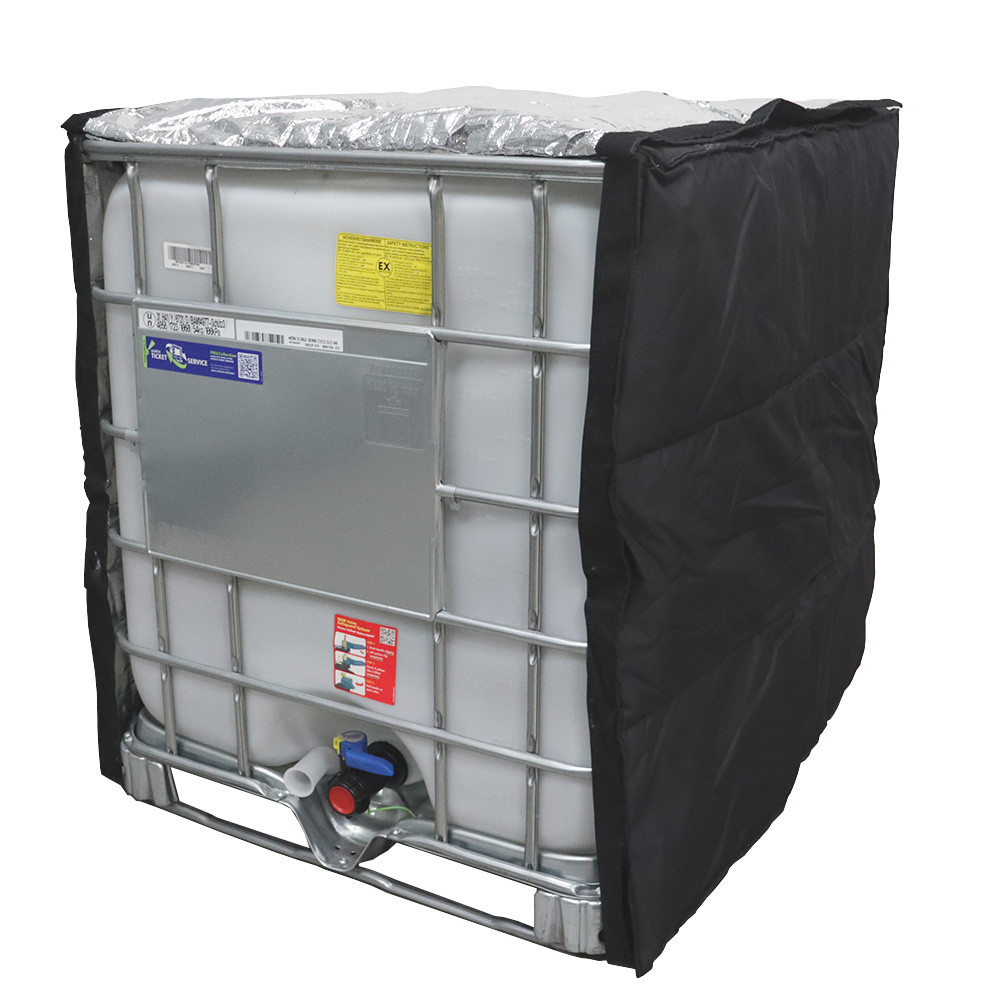
Our Deluxe Insulation IBC Cover (pictured above) may be the best option for overall coverage and protection
Insulating covers vs weather covers
There is a subtle difference worth noting here: weatherproof and UV covers are good for keeping off rain, sun, dust and algae-causing light, but they won’t stop contents freezing. At the same time, we understand that some people might be looking for year-round protection, and in this case, opting for a foil thermal cover would be a good option.
The reason why they offer such versatile protection is due to their 4mm thickness, which offers insulation comparable to much thicker materials, but will also keep contents cooler and protected from sunlight in the summer too.
However, we should mention this option would only work best if your sole concern in winter is to slow heat loss. If you need active heating, your best option is a heating jacket.
H3: Best options for an IBC heating jacket
If you need to maintain a certain temperature, rather than just slow down heat loss, the best options for heating jackets are:
1000 Litre IBC Heater Jacket: Heats all four sides of a standard 1000L IBC, with a choice of 0 to +40 °C thermostat for frost protection or 0 to +90 °C for process heating
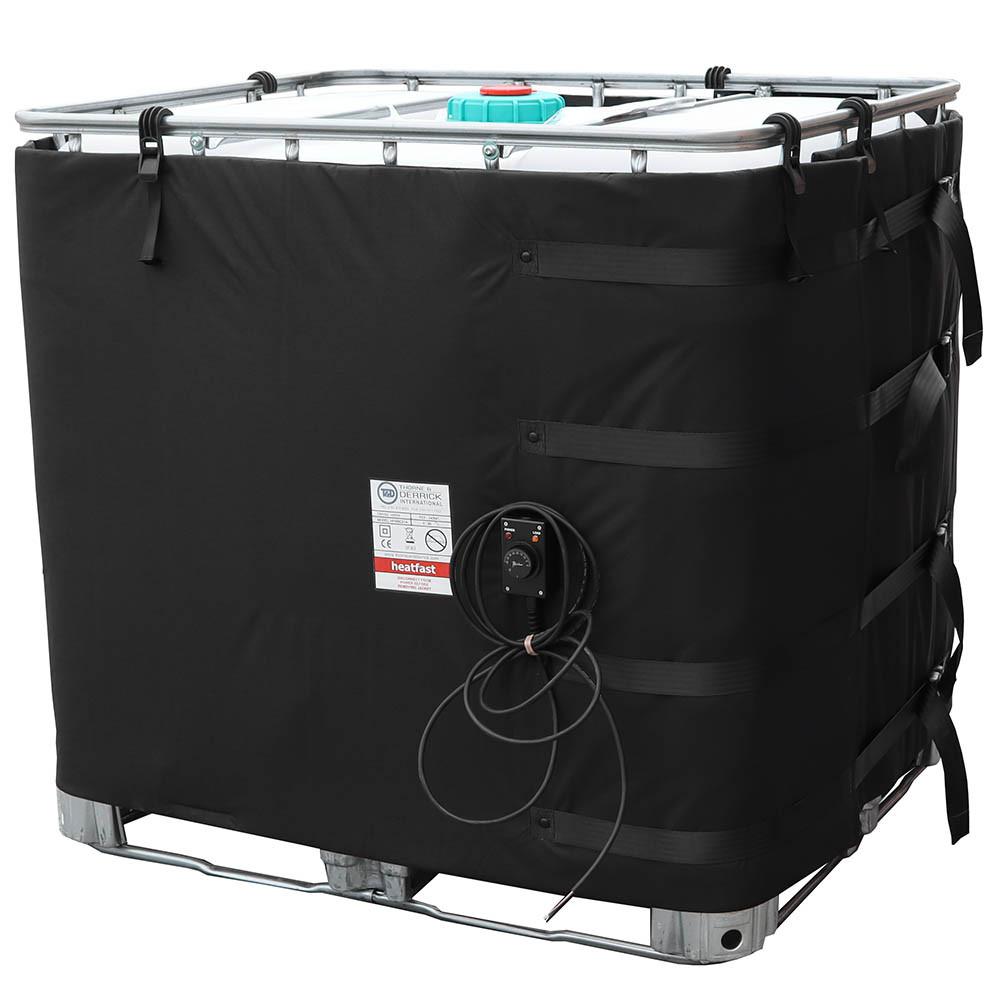
IBC Container Heater Jacket: Features two adjustable thermostats up to 90°C, designed for warming viscous materials so they discharge easily
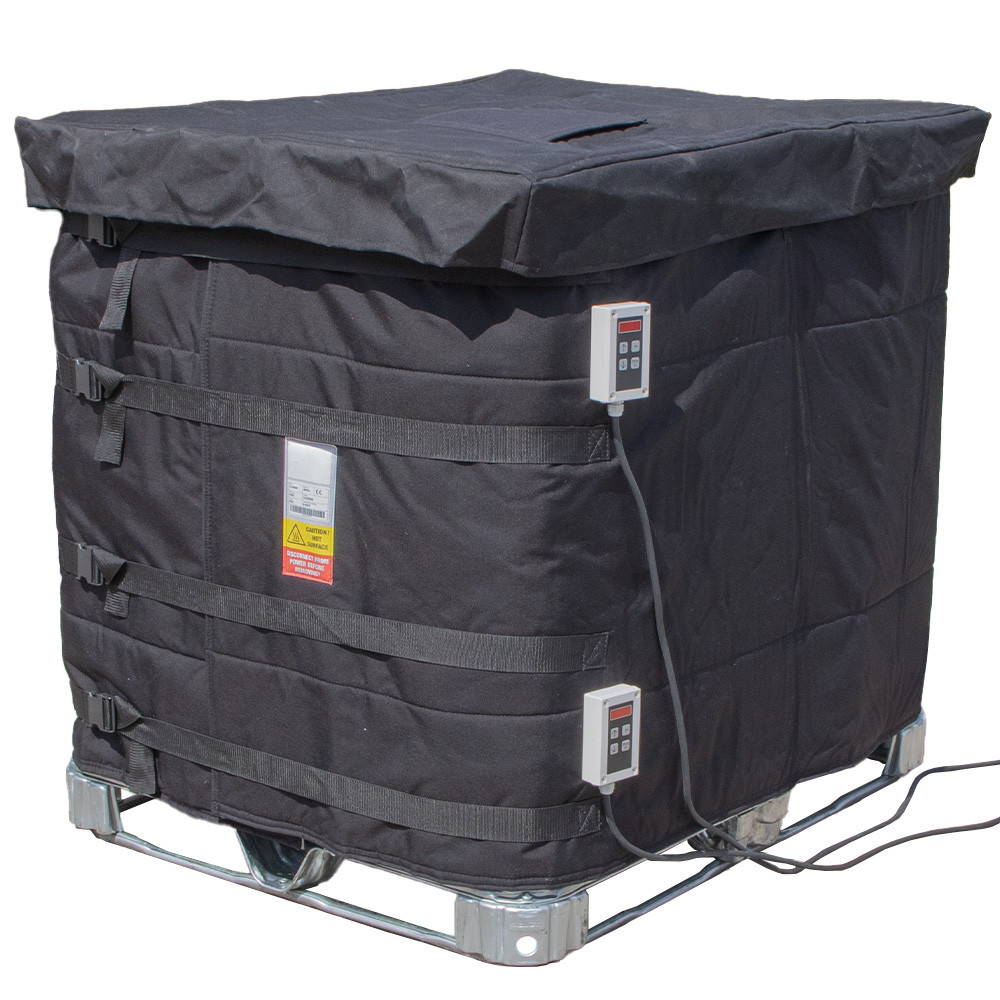
300 Litre IBC Container Heater Jacket: As mentioned earlier, this option is Ideal for smaller 300L IBCs
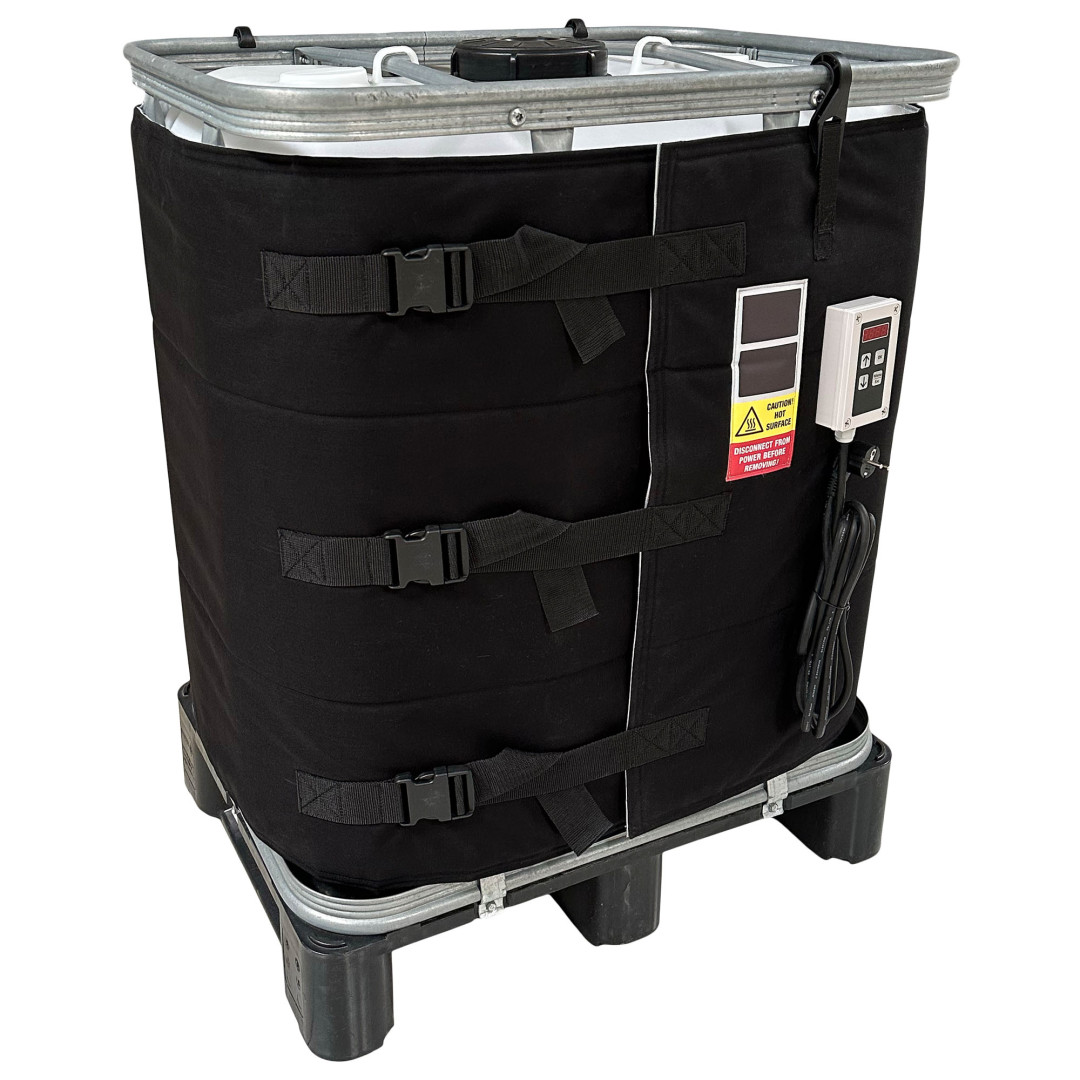
IBC Reinforced Aluminium Heating Mat: This option sits between the IBC and its pallet to heat from below. It is a lower cost option, intended for long-term use on one IBC container rather than being moved between multiple ones
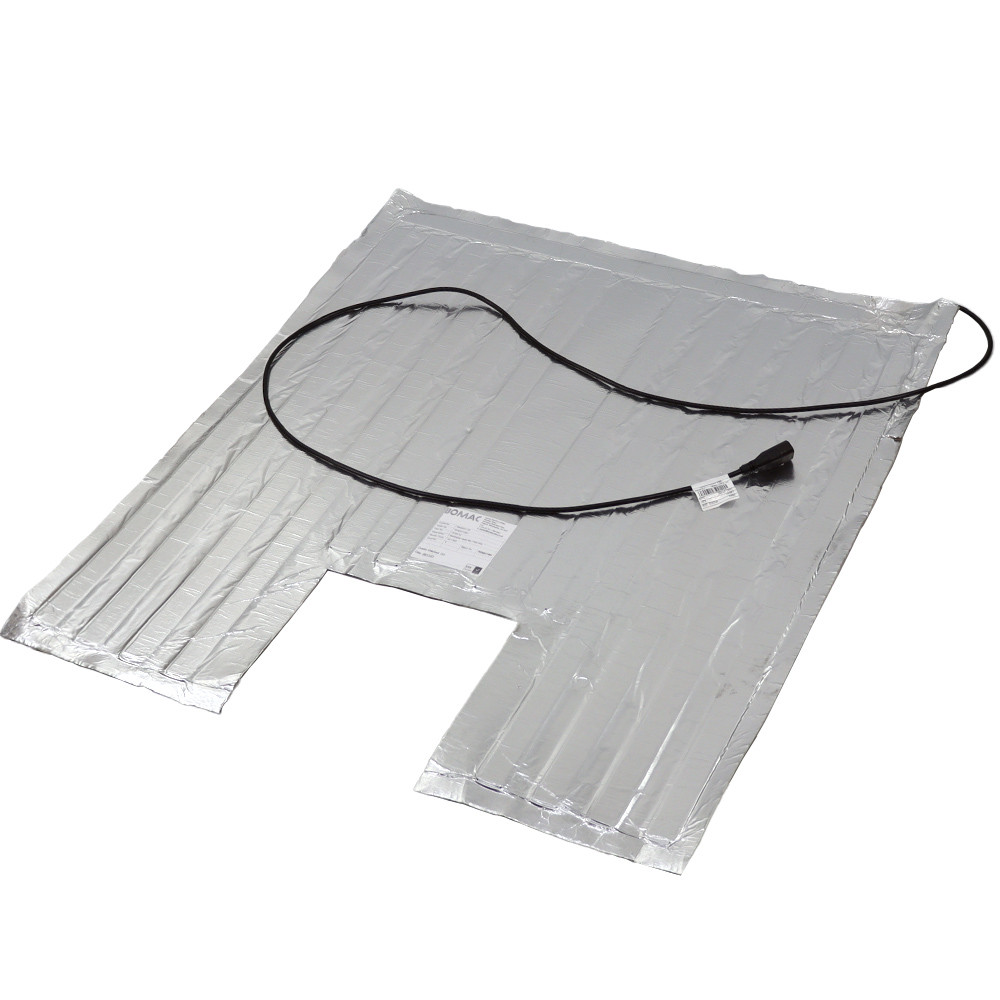
For best results: Pair a heater jacket with an insulated body jacket and top cover, ensuring the heat you’re paying for stays in the IBC. For guidance on choosing power, voltage and thermostat range, and for safety tips on using heater jackets, see our guide on how to keep your IBC or water tank safe from frost
A quick guide to your IBC setup, and what type of protection against freezing to look for
| Your situation | What to look for |
| IBC indoors, frost protection only | Insulated jacket or thermal cover |
| IBC outdoors, frost protection only | Weatherproof insulated jacket or cover |
| IBC that is opened often | Full cover with access openings |
| Contents that must stay at or above a set temperature | Heater jacket plus insulated body jacket and top cover |
| Thick contents that need to flow | Heater jacket with higher thermostat range, or a heating mat |
| Rain, sun or algae only | Weatherproof or UV cover (if insulation isn't required) |
How to keep an IBC tote from freezing
By now you might have decided what sort of protection you need, but here are just a few supplementary tips to help prevent an IBC tote from freezing:
Store your totes indoors
The most effective way to keep an IBC tote from freezing is to store them indoors. Indoor storage protects the containers from temperature fluctuations, ensuring that are kept in a controlled environment. While this solution may seem straightforward, it is often not possible due to space limitations or operational requirements.
Group your IBCs
Although grouping IBCs doesn’t directly insulate them, it can be a practical measure to reduce the surface area that is exposed to colder temperatures. When IBCs are placed together, they create a larger surface area, minimising the impact of the colder temperatures on each container. Grouping IBC totes can be a helpful strategy when indoor storage is not an option.
Use circulation
Periodically circulating the contents within an IBC helps prevent localised cooling, reducing the risk of the tote freezing. This is because continuous circulation ensures that the temperature throughout the IBC tote remains consistent, disrupting the formation of ice crystals.
Browse our range of IBC heater jackets and covers
Protect your IBC with our range of IBC heater jackets and covers. Whether you are after IBC insulation covers or heating mats, we have the solution required to prevent your IBC tote from freezing in colder temperatures.
For further information about our range of IBC insulation products, please contact our sales team on 01777 858009 or email sales@kingfisherdirect.co.uk.