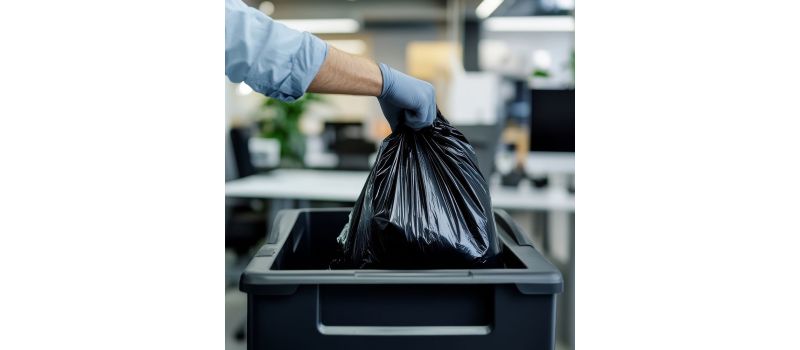
Bins are one of the most used items in any household, workplace, or public setting, but they’re also one of the easiest to neglect. Over time, food residue, liquids, and general waste and recycling can cause unpleasant odours, attract pests, and even become a hygiene hazard. Regularly cleaning out your indoor bins not only improves cleanliness but also extends the life of the bin and ensures it remains fit for purpose.
In this guide, we’ll break down how to clean a bin, offer practical maintenance tips, and help you keep odours under control.
Why You Should Clean Bins
Whether you’re dealing with a small kitchen caddy or a large outdoor wheelie bin, neglecting cleaning can lead to:
-
Odours: Food scraps and liquids quickly build up, leaving behind stubborn smells.
-
Bacteria and Germs: Bins are a breeding ground for harmful bacteria if not regularly washed.
-
Pests: Insects and rodents are attracted to food residue.
-
Wear and Tear: Regular cleaning prevents staining and damage, helping bins last longer.
Just like recycling requires clear labelling and good practice, keeping bins clean requires a simple routine.
How to Clean Rubbish Bins
1. Empty and Rinse
Start by removing all waste and liners. Give the bin a quick rinse with warm water to wash away loose debris.
2. Use a Suitable Cleaning Solution
You can use household cleaning products, a specialist bin cleaner, or a homemade mix of hot water and disinfectant. Eco-friendly alternatives such as vinegar, lemon juice, or bicarbonate of soda are also effective.
-
Indoor bins: A mild detergent is usually enough.
-
Outdoor bins: A stronger disinfectant may be required for stubborn grime.
3. Scrub Thoroughly
Using a stiff brush, scrub the interior and exterior surfaces of the bin. Pay attention to corners, lids, and handles where dirt builds up the most.
4. Rinse and Dry
Rinse thoroughly with clean water to remove any cleaning product residue. Where possible, leave the bin to dry in direct sunlight. Not only does this speed up drying, but it also helps kill bacteria.
5. Deodorise
If odours remain, sprinkle bicarbonate of soda in the base of the bin or use specialist odour-control products.
Household Bin Cleaning Tips
Keeping household bins clean doesn’t have to be difficult, but it does require consistency. Kitchens, bathrooms, and outdoor wheelie bins all need different approaches:
-
Kitchen Bins: Empty daily where possible, especially food waste bins. Use liners and rinse containers before disposal to minimise odours.
-
Bathroom Bins: Line bins with small bags to make disposal simple and prevent residue. Wipe down regularly with disinfectant wipes.
-
Wheelie Bins: These are prone to maggots and strong smells in summer. Regarding how to clean a wheelie bin, you should hose it down after collection day, scrub it with disinfectant, and leave the lids propped open to air-dry.
-
Food Caddies: Use compostable liners, empty daily, and sprinkle bicarbonate of soda to keep them fresh.
A good rule of thumb is: small bins weekly, large outdoor bins monthly.
Workplace and Public Bin Cleaning Tips
In shared spaces, bins tend to fill up faster and are often used by large groups of people, making them more prone to contamination, odours, and hygiene issues. Regular cleaning is essential for maintaining a safe, professional, and welcoming environment.
-
Office Bins: Empty desk bins daily to avoid paper build-up and food wrappers lingering. Use waste and recycling stations and office recycling bins with clear signage to reduce contamination.
-
Communal Areas: Kitchens, staffrooms, and canteens require frequent cleaning as food waste bins can attract pests. Wipe down lids and handles daily.
-
Public Bins: High-footfall areas like schools, hospitals, and public parks need a robust cleaning schedule. Outdoor bins should be disinfected at least once a month and checked regularly for overflow.
-
Recycling Bins: A clean recycling bin prevents odours, pests, and bacteria. When it comes to how to clean a recycling bin, you should empty, rinse, apply solution, scrub, rinse, and dry to maintain cleanliness and order.
-
Specialist Bins: Sanitary, hazardous, or clinical waste bins must be cleaned and maintained according to regulations. Always use licensed waste carriers for collection and disposal.
-
Odour Control: For large or heavily used bins, consider odour-neutralising granules or liners to keep the area pleasant.
By setting clear cleaning schedules and appointing staff to monitor bins, workplaces and public settings, they can avoid hygiene issues and extend the lifespan of their waste facilities.
Tips for Bin Maintenance
-
Always use liners: Bin liners prevent direct contact between waste and the bin.
-
Rinse food containers: Reduces residue and odours.
-
Close lids securely: Keeps pests out.
-
Regular cleaning: Indoor bins benefit from a weekly clean; outdoor wheelie bins should be cleaned at least once a month.
-
Professional services: Many local companies offer bin-cleaning services for larger or outdoor bins.
How to Keep Bins Fresh Between Cleans
Even with regular cleaning, day-to-day waste can cause issues. To keep your bins fresh:
-
Add a small amount of cat litter, baking soda, or newspaper at the bottom to absorb liquids.
-
Freeze particularly smelly food scraps (like fish) until collection day.
-
Empty indoor bins daily to avoid pest infestations in warmer months.
Bins are an essential part of any waste management system, and just like effective recycling depends on clear labelling and correct use, bin hygiene depends on regular upkeep. Cleaning out bins may not be the most glamorous job, but with a simple routine in place, you can avoid unpleasant odours, pests, and costly replacements.
Kingfisher Direct supplies a wide range of bins and cleaning solutions to help you manage waste effectively and hygienically. Explore our complete Waste and Recycling product range today or contact our team for advice on the best solutions for your setting.
