Updated recycling systems in the United Kingdom are taking place throughout 2026 as part of the government's new ‘Simpler Recycling’ regulations. From weekly food-waste collections to brand-new recycling-bin rules, the reforms introduce mandatory requirements for how households and businesses must recycle.
At Kingfisher Direct, we are committed to making recycling as easy as possible. With an easy-to-understand breakdown of each new rule, you will understand the new bin rules, why they matter, and how to prepare your household or business for them.
Why Have The Recycling Rules Changed In England?
Although recycling plays a vital role in reducing waste and creating a safer environment, recycling regulations across the country have remained inconsistent. Various councils across England have asked their residents to separate their waste into different categories, ultimately creating confusion and varying recycling rates.
To ensure that recycling is completed - and completed properly - the government‘s ‘Simpler Recycling’ regime will be introduced in March 2026, with the hope of making recycling an easier and more consistent task.
What Are The New Bin Rules In England?
‘Simpler Recycling’ is the new policy conducting mandatory recycling across England, designed to harmonise recycling policies and practices. The aim of the scheme is to:
-
Reduce confusion about what can and can’t be recycled.
-
Standardise any materials in the collection.
-
Improve recycling rates across the country.
-
Support growth for the UK recycling industry.
What Are The Key Changes To Recycling In England?
Across the scheme, various changes are coming into force, all of which will affect how our households and businesses manage waste. Some of these changes include:
1. Four Core Waste Streams
From the 31st March 2026, all local councils and authorities in England will be required to collect each of these four core waste streams separately:
-
General/Residual Waste - Non-recyclable waste.
-
Dry Recycling - Including plastic, metal and glass.
-
Paper/Card - Recycled separately.
-
Food Waste - Will be collected weekly.
Each of these four main streams is designed to produce a balance between simple recycling and recycling quality. Whilst each council may still have their own flexibility with the collection of additional materials, these are the new minimum standards across England.
2. Weekly Food Waste Collection
As many current practices enforce a bi-weekly food waste collection, the new rules now state that food waste must be collected at least once a week. This will reduce odours and increase the recycling of food waste rather than sending it to landfill.
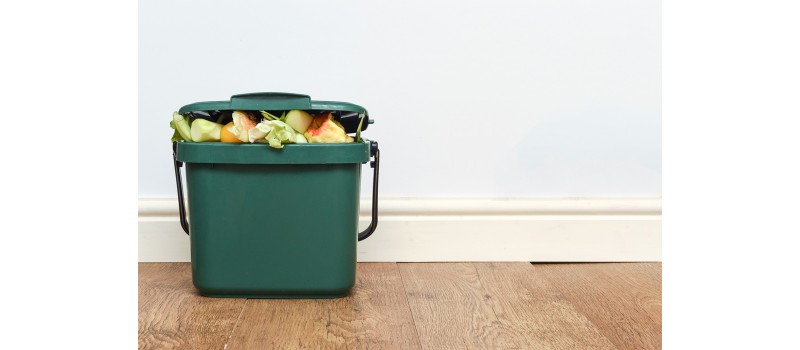
To do so, households will receive a small kitchen bin/caddy and a larger food waste bin for kerbside collection.
3. Paper/Card Is Separated From Dry Recycling
To ensure correct recycling, the new Simpler Recycling scheme requires that paper and cardboard be collected separately from glass, plastic and metal. This is designed to avoid contamination that may occur when paper is mixed with other recyclables, ensuring clean materials ready for reprocessing.
4. Plastic Film and Flexible Plastics
Although this scheme won’t be in effect until next year, it is important to prepare for the rollout. From March 2027, plastic film packaging and plastic bags will be part of the standard collection routine, including items such as crisp packets and plastic bags, which have historically been harder to recycle.
What Does This Mean For Households?
Most households will be affected by the new changes to their bin setups, which may include:
1. More Recycling Bins
Under the new rules, many households will have the following:
Depending on your local council, each of these rollouts may be gradually introduced.
2. Simplified Recycling Instructions
As the name suggests, one of the main benefits of the Simpler Recycling scheme is that households and businesses will no longer need to waste their time researching which materials can be recycled locally. The goal ensures that every local authority collects the same recycling materials to make the recycling/collection process more consistent across the country.
3. Better Recycling Quality
By enforcing simpler, clearer recycling rules, fewer errors will be made. For example, by separating food waste from general waste, or paper/card from plastic and metal, the process of kerbside collection can be improved, and the quality of the materials that get recycled will increase.
Common Questions Regarding The New Recycling Regulations
Now that we have discussed what each change is and how it may affect households, we will address common questions many may have about the new process to make the rules as clear as possible.
What Are The Changes In Wales, Scotland and Northern Ireland?
The Simpler Recycling reforms are only being carried out throughout England, as the remaining parts of the UK have their own recycling rules and bin systems. For specific guidance for your own area, checking your local council's website will help you to understand your regulations.
Will All Councils Use The Same Bins?
No, every council may have their own systems for the new rules. Whilst each authority has to meet the new standards, each council can decide how to organise its bin collection, with some choosing wheelie bins and others choosing recycling bags, depending on local logistics/space.
Will I Be Fined If I Get My Recycling Wrong?
Contrary to recent claims, households will not be fined for incorrect recycling. However, it is still important to follow the set rules by your local authorities, as if a household is found to be a repeat offender for misusing waste services, a fixed penalty notice of between £60 and £80 will be issued.
What Are The Benefits To The New Simpler Recycling System?
With the new 2026 recycling reform, it is expected to provide several different benefits throughout England, such as:
-
Better Environmental Outcomes: By recycling efficiently, you can reduce the amount of waste that is sent to landfills. By doing this, you will help reduce greenhouse gas emissions and conserve natural resources.
-
Higher Recycling Rates: By standardising recycling/waste collections in your area, recyclable materials will be captured more easily, and contamination will be reduced.
-
Reduced Confusion: A common set of materials across all councils will make recycling simpler for everyone.
-
Increased Domestic Recycling Markets: By encouraging consistent recyclables, you can support the reprocessing industry, to strengthen the economy and create new jobs.
How Can I Prepare For The New Bin Rules?
For a smooth transition to the new bin rules, you can:
-
Get The Correct Bins: Most councils should inform households in advance about their new bin types and schedules. Stay Updated With Your Local Council: Every local council is different; many may choose to transition to the new system, whereas others may make the process a sudden change. Check your local council’s website ahead of time to find out what the process will look like for your area.
-
Get To Know Your Waste Streams: Try to familiarise yourself with the four main categories of waste, including food waste, residual, paper/card and dry recyclables, to make the transition as smooth as possible.
-
Reduce Your Waste As Much As Possible: Reducing waste is the first step to having the biggest environmental impact.
-
Educate Your Household: Ensure everyone in your household understands how each bin system works and where to place each type of waste.
-
Prepare Your Household For Additional Bin Storage: Having extra wheelie bins will take up additional space in your home. Consider utilising Wheelie Bin Stores to keep your bins tidy and organised, without disturbing your home’s appearance.
Simpler Recycling 2026
The Simpler Recycling bin rule changes are set to be one of the most significant shifts in recycling management across England. By implementing a more consistent, simpler recycling system, the government aims to boost recycling rates, reduce environmental harm, and support a stronger economy.
By understanding each factor of change, whether you are a homeowner, business owner, or renter, you can prepare for these changes and help contribute to a safer, healthier environment for the future.
Ready to start preparing? Browse our selection of waste management bins and bin storage stores to find simple ways to prepare your household for the new Simpler Recycling reform in March. For more information or support, feel free to contact us, where one of our experts will be happy to help
