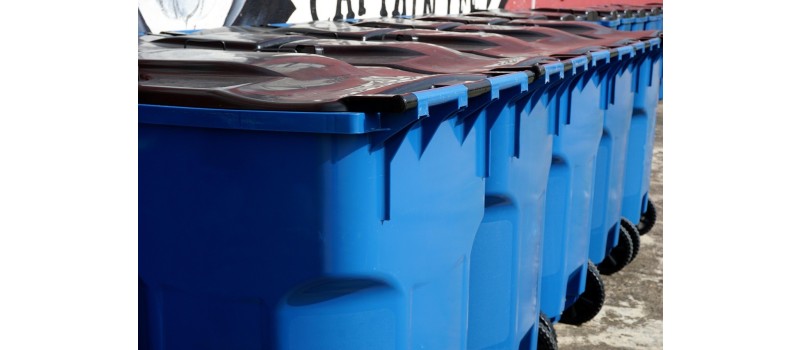
With new recycling legislation and Simpler Recycling reforms being introduced across England, many businesses and households are now asking the same question: what recycling bins will I need?
As recycling regulations become more standardised, organisations will need to ensure they have the correct waste segregation systems in place to remain compliant and reduce contamination. Choosing the right recycling bins is essential to improving recycling efficiency, reducing landfill waste, and simplifying waste disposal for employees and visitors.
At Kingfisher Direct, we help businesses prepare for changing recycling requirements with practical waste management solutions. In this guide, we’ll explain which recycling bins you may need, what goes in which recycling bin, and how to create an effective recycling system.
Why Are New Recycling Bins Being Introduced?
The government’s Simpler Recycling initiative aims to standardise recycling collections across England, making recycling easier and more consistent for households and businesses.
As part of these changes, businesses will be expected to separate recyclable materials more effectively. This means many organisations may need to introduce new recycling bins to accommodate separate waste streams.
The goal is to:
- Reduce contamination in recycling collections.
- Improve recycling rates.
- Reduce landfill waste.
- Simplify waste disposal processes.
Using bin signs or bin stickers to label recycling bins clearly will play a major role in helping workplaces comply with the new requirements.
Which Recycling Bin Do I Need?
The recycling bins you require will depend on the type of waste your business or workplace produces. However, under the new recycling reforms, most organisations will need separate bins for the following waste streams:
- General waste
- Mixed recycling:
- Paper and cardboard.
- Food waste.
- Glass recycling.
Our selection of indoor litter bins, indoor recycling bins, recycling stations, and food waste bins allows you to efficiently and effectively segregate and dispose of your waste while complying with new legislation.
We also provide a wide range of outdoor litter and recycling bins for businesses and larger premises, helping you stay on top of waste management solutions and prevent overflow.
What Goes in Which Recycling Bin?
To fully comply with legislation changes and ensure your environment is both safe and functional, businesses need to understand what goes in which recycling bin. Clear waste segregation is essential to avoid contamination and ensure recyclable materials are processed correctly.
General Waste Bin
General waste bins are for non-recyclable items such as:
- Food-contaminated packaging.
- Polystyrene.
- Disposable cleaning materials.
- Non-recyclable plastics.
These materials are typically sent to landfills or energy recovery facilities.
Mixed Recycling Bin
Mixed recycling bins are designed for common recyclable materials, including:
- Plastic bottles.
- Aluminium cans.
- Cardboard packaging.
- Paper.
- Tins.
Recyclable materials should always be clean and dry to avoid contamination.
Paper and Cardboard Bin
Some new recycling regulations may require separating paper and cardboard from other recyclable materials.
This recycling bin is suitable for:
- Newspapers and magazines.
- Office paper.
- Cardboard boxes.
- Paper packaging.
Wet or heavily contaminated paper products should not be placed in this bin.
Food Waste Bin
Food waste bins are becoming increasingly important under Simpler Recycling reforms.
These bins can typically accept:
- Fruit and vegetable peelings.
- Leftover food.
- Tea bags and coffee grounds.
- Meat and fish scraps.
- Dairy products.
Separating food waste helps reduce landfill waste, fights climate change, and supports renewable energy generation.
Glass Recycling Bin
Glass recycling bins are used for:
- Glass bottles.
- Glass jars.
Items such as ceramics, mirrors, or drinking glasses may require separate disposal depending on local recycling guidance.
How Many Recycling Bins Will Businesses Need?
The number of recycling bins required will depend on:
- The size of your premises.
- The number of employees or visitors.
- The type of waste generated.
- Collection frequency.
Larger workplaces may require multiple recycling stations throughout the building to encourage proper waste disposal and reduce contamination.
How to Improve Recycling Compliance in the Workplace
Introducing the correct recycling bins is only part of the process. Businesses should also focus on establishing a clear, consistent recycling system.
We recommend:
- Using colour-coded bins for different waste streams.
- Clearly label each recycling bin.
- Providing employee training on waste segregation.
- Positioning recycling stations in accessible locations.
- Regularly reviewing waste management processes.
These simple steps can significantly improve recycling rates and reduce contamination issues.
Preparing for New Recycling Legislation
As recycling regulations continue to evolve, businesses should begin reviewing their waste management systems as soon as possible. By investing in new recycling bins, you will help ensure compliance while improving sustainability and operational efficiency.
At Kingfisher Direct, we provide a wide range of recycling bins, food waste containers, and workplace waste management solutions to help businesses adapt and thrive through changing legislation.
If you need guidance on selecting the right recycling bins for your workplace, our expert team is here to help. Simply contact us, and we’ll help you find what you need, when you need it.
For more practical advice, insights, and workplace compliance guidance, explore the Kingfisher Direct Blog.
