Tanks, Containers and Pumps
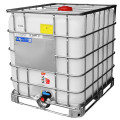
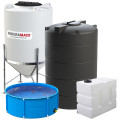
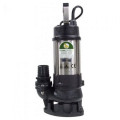
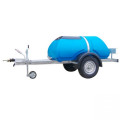
As one of the UK's leading and most trusted water tank suppliers, we're confident that we have the right tank for your industry, environment, or application. We stock a wide range of both new and reconditioned IBCs, open or tight head barrels, 5 litre to 25 litre jerry cans, manual, electrical or fuel-driven pumps, highway legal or site bowsers, and a broad selection of troughs and agricultural tanks. All of our products comply with the latest industry standards, offering reliable performance and a long lifespan.



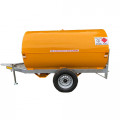
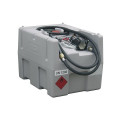
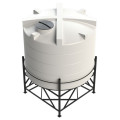


Kingfisher Direct is your trusted supplier of water storage tanks.
We specialise in providing high-quality solutions for your water storage requirements. Whether you are a small business, a large organisation, or part of the public sector, our extensive range of water storage tanks guarantees a safe and reliable water supply for your specific requirements.
Why choose our water tanks?
1. Durability
We only stock water tanks from reputable manufacturers who are known for the quality of their products. For this reason, when you choose our water storage tanks, IBCs and water butts, you are investing in a long-lasting solution that can withstand the test of time, reducing the need for frequent replacements.
2. Diverse range of storage options
We understand that different organisations have unique requirements. That's why we offer a diverse range of water tanks, including potable water tanks, water bowsers, baffled tanks and more. Whether you need a tank for safe drinking water, rainwater harvesting, irrigation, or robust industrial water tanks, we have the perfect solution to meet your needs.
3. We can support you in choosing the right tank for your needs
Tailoring your water storage solution to your specific project doesn't have to be difficult. Our team of experts can work with you to find water tanks that match your specifications, from size and material to fittings and accessories. We'll provide you with guidance, answer your questions, and assist with the selection and delivery process when you buy from us. Contact us, and we’ll help you find what you need, when you need it.
4. Environmentally responsible water storage solutions
We understand that an increasing number of customers are not just seeking efficient water storage but are also concerned about the environmental impact of their choices. Our rainwater harvesting recycling systems not only promote sustainability but also reduce water bills, making them a cost-effective choice.
With a vast range of products available, our water storage tanks are suitable for a variety of applications, including:
-
Agriculture: Optimise irrigation and livestock watering with our durable agricultural water storage solutions.
-
Commercial and Industrial: Support your business operations with high-capacity tanks designed to meet industrial demands.
-
Environmental and Conservation Projects: Contribute to environmental conservation efforts by using our tanks for rainwater harvesting, stormwater management, and water recycling.
Frequently Asked Questions
How to clean a water storage tank.
Cleaning a water storage tank is essential for maintaining hygiene and preventing bacterial growth. Regular cleaning ensures the longevity of the tank and keeps your stored water safe from contaminants. Use the following steps to clean your water storage tank:
1. Empty the Tank
Completely drain the tank. If your tank features a specialised design, e.g., a cone tank, the conical base will naturally facilitate total drainage, ensuring no liquid or heavy sediment remains trapped. For standard tanks, utilise the tank outlets or connected tap kits to empty the remaining fluids.
2. Scrub and Clean Internal Surfaces
Once empty, scrub the internal surfaces of the tank to remove dirt, grime, and sediment. Use appropriate cleaning solutions and a high-pressure washing system, such as a pressure washer, to blast away stubborn residue and debris.
3. Flush the System
After scrubbing, thoroughly flush the tank with clean water to rinse out all dislodged contaminants and cleaning agents. Use a hose to wash down the entire network, ensuring that all residue is completely directed to the central drainage point or outlets.
4. Inspect and Disinfect Components
Take the opportunity to inspect your tank parts and fittings. Clean or replace water tank filters, such as basket filters or in-tank filters, to ensure downstream equipment remains protected from future debris. Check that all ball valves, tap kits, and pipe fittings are clear of blockages and fully operational.
5. Refill and Secure
Once the rinsing process is complete, close the drainage valves and refill the tank. Ensure that tank lids are tightly sealed to protect the stored liquid from external environmental contamination and UV damage.
How to pump water from a storage tank to a house.
Pumping water from an external or domestic water storage tank into a house requires a properly integrated system to ensure consistent water pressure and a reliable supply.
Using a domestic rainwater harvesting system is a popular and sustainable way to achieve this, allowing you to filter and pump stored rainwater directly to your house for non-potable uses, e.g., flushing toilets and washing clothes.
1. Choose the Right Pump
At the heart of the system is an efficient water pump suited to your property's flow rate and head requirements:
-
Submersible Pumps: Designed to operate fully submerged within the water tank, pushing the liquid up to the surface rather than pulling it.
-
Surface Pumps: These units remain positioned above the water level outside the tank, offering easy access for maintenance, boosting water pressure, and transferring water between storage tanks and the home.
2. Connect the Network with Secure Pipe Fittings
A reliable plumbing network is essential to prevent leaks and contamination. This typically involves:
-
Tank Connectors: Creating secure, sealed transitions directly through the tank wall.
-
Pipe Fittings: Elbows, tees, adaptors, and couplings route the water lines into the existing home plumbing.
-
Flow Control: Inline ball valves and taps manage the water flow precisely and shut down sections for servicing when necessary.
3. Filtration and Quality Control
Before the water enters the house, it must pass through dedicated water tank filters (such as rainwater filters or in-tank basket filters) to safeguard downstream equipment, home appliances, and internal plumbing from dirt, sediment, and debris.
4. Integrating an Automatic Mains Top-up Controller
Integrating an automatic mains water top-up controller is highly recommended for whole-house solutions. This ensures that the system automatically supplements the supply with mains water if the water level in your storage tank drops too low during dry spells.
Does a water storage tank require a water pump?
This depends on your specific system setup and application. In a gravity-fed setup, if the tank is positioned at a higher elevation than the point of use, gravity alone can deliver the water for basic applications.
However, a water storage pump is essential if you need to overcome gravity, increase water pressure, or transport water over long distances. Pumps generally fulfil two main functions: filling the storage tank by drawing water from a source (such as collected rainwater), and distributing the stored water to points of use to ensure adequate pressure for irrigation networks or domestic supply lines.
Depending on your requirements, different pump types can be used. Submersible pumps operate within the tank to push fluid up to the surface, while surface pumps are positioned outside the tank to boost pressure and transfer water between storage units.
How do submersible water pumps work?
Submersible water pumps are designed to operate while completely submerged in the liquid they are pumping, e.g., water or diesel, pushing the liquid up to the surface.
The mechanism relies on an internal electric motor that drives a spinning impeller. As the impeller spins, it imparts kinetic energy to the liquid, forcing it outward. The pump's casing then converts this energy, forcing the fluid through a discharge pipe or hose to the surface or distribution network.